








| Herons | ||
03/13/25 |
|
|
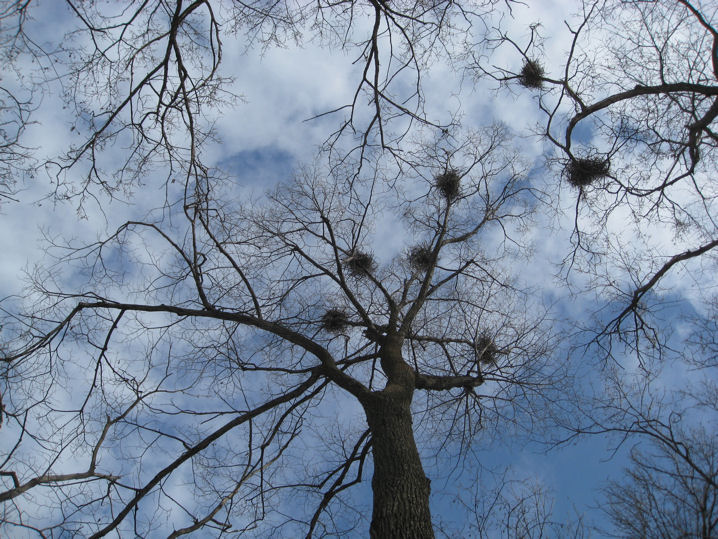
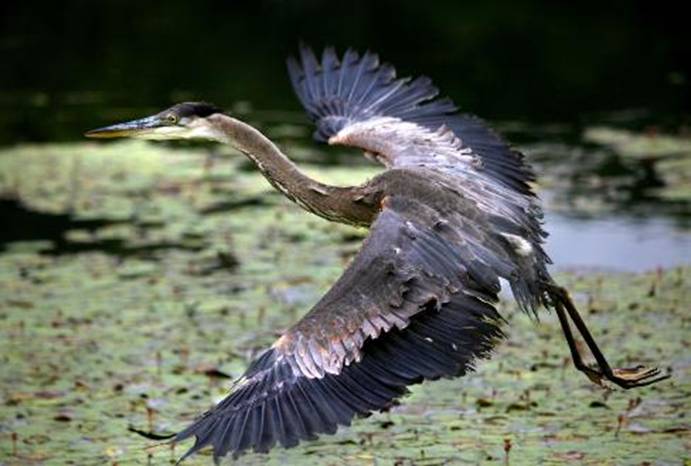
The Peltier Lake GREAT BLUE HERONS generally arrive around March 17 and some stay to September, or even October. Great blue herons only nest in colonies and are easily spooked so people need to stay off the island and they need to observe the no-wake zone area north of the markers by the island.
The Feb 26, 2025 report is on the HOME Page: The following is from April, 2014. ************************************************* Great Blue Heron Nest Count 2013, Peltier Lake April 3, 2014 The great blue herons on Peltier Lake Island had a good 2013 summer. Thanks go to the city of Lino Lakes, their Environmental Board, Anoka County Parks, the city of Centerville, the DNR, and others for their support of the great blue herons. Protections need to continue to try to reach a previous 1,100 nests.
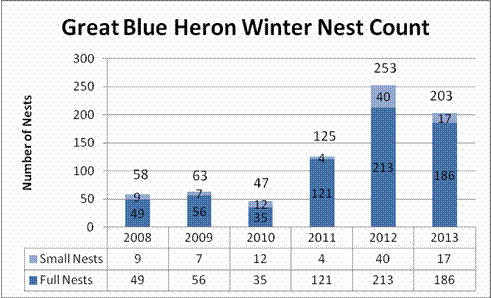
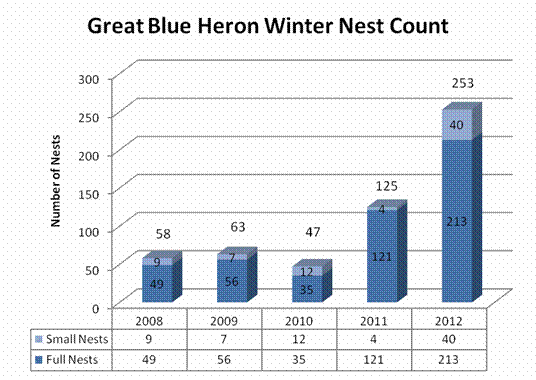
During the summer of 2011, the herons built 125 nests compared to 47 the year before. That’s 78 added. During the summer of 2012, they built 253 nests or 128 more from the year before. During the summer of 2013, they built 203 nests, 50 less than 2012 but still 78 more than 2011. With nest counts well above 100, the colony seems healthy. The years 2008 through 2010 saw only about 50 nests and there was a question whether the colony would survive. In addition, during the summer of 2012, as many as 15 great egrets seemed to be nesting on the island. Around 1998, they were fairly common and 2012 is the first time since then that there’s been significant great egret activity. Great egrets were also present in 2013.
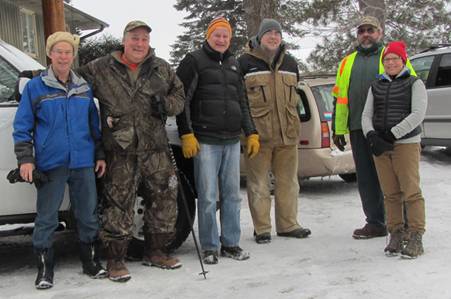
The winter of 2013-14 was particularly harsh and cold and a crew was not able to get to the island in time. On April 3, 2014, Marty Asleson, Mike Hoffman, George Bor, and Wayne LeBlanc assembled to try to maintain some of the metal flashing but the herons had already begun nest activity and so no work was done. Most trees have metal flashing and should be protected. We will see what happens in the summer of 2014. Reporter Jim Adams and photographer Dave Joles of the Star and Tribune were also present. Marty, Mike, Jim, Dave, and Wayne observed 50-100 great blue herons by the Peltier dam and wetland area north of the dam.
Three protections account for the progress:
Although far from pre-1998 levels of 1,100 nests, the nest number now at 203 is good news. Let’s hope the Great Blue Herons and Great Egrets and other birds and wildlife have more good years on Peltier Island. For more information see: Also see “Rookery Blues”from the Minnesota Conservation Volunteer magazine at www.dnr.state.mn.us/volunteer/marapr04/rookery.html. Wayne LeBlanc
The following is
from March, 2013. Great Blue Heron Nest Count Doubles Again! Feb 2013 The great blue herons on Peltier Lake Island had a FANTASTIC 2011 and 2012 summer! Thanks go to Anoka County Parks, city of Lino Lakes, their Environmental Board, the city of Centerville, the DNR, the Jaycee’s and others for their support of the great blue herons. Protections need to continue to try to reach a previous 1,000+.
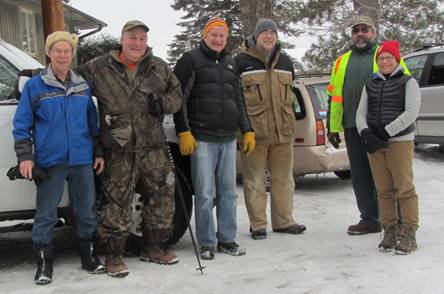
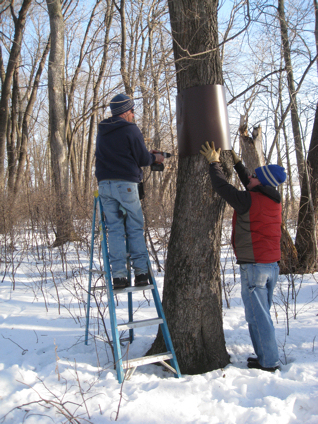
During the summer of 2011, the herons built 125 nests compared to 47 the year before. That’s 78 added. During the summer of 2012, they built 253 nests or 128 more from the year before. Nest counts are made in winter to avoid disturbance of the herons and to easily see the nests. In addition, during the summer of 2012, as many as 15 great egrets seemed to be nesting on the island too. Around 1999, they were fairly common and this is the first time since then we’ve see significant activity. On Feb 23, 2013, Glenn Fuchs (Anoka Parks), Marty Asleson (Lino Lakes), Andy Von Duyke, Theresa Klaman, Ron Marier and Wayne LeBlanc added metal flashing to 22 more trees containing nests. Zack Fairbanks, Danny Lawrence and Zack Marier helped break trail on the island. Barbara Bor thanked the crew by treating them to lunch at the Blue Heron restaurant. The metal flashing protects almost all the nests there now from possible predatory raccoons. In the spring, the herons usually move nests around, scavenging from some nests and creating new ones from new material and so some nests may move to unprotected trees.
Pictured left to right:
Wayne LeBlanc, Ron Marier, Marty Asleson,
Three protections account for the gains:
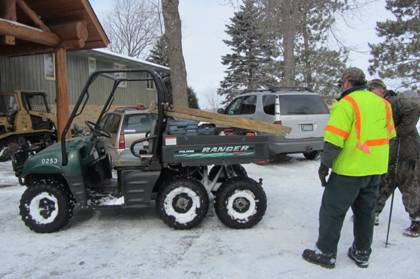
Anoka Parks Vehicle, Glenn Fuchs, Ron Marier
Andy Von Duyke & Marty Asleson
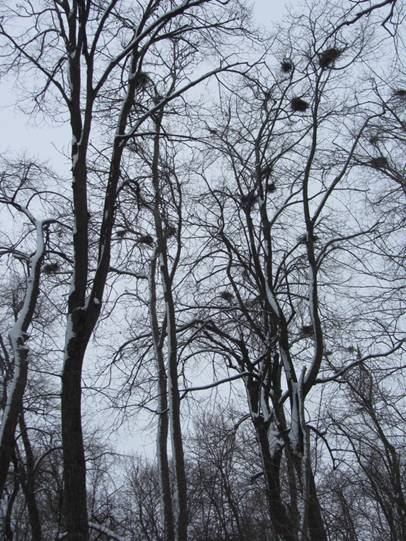
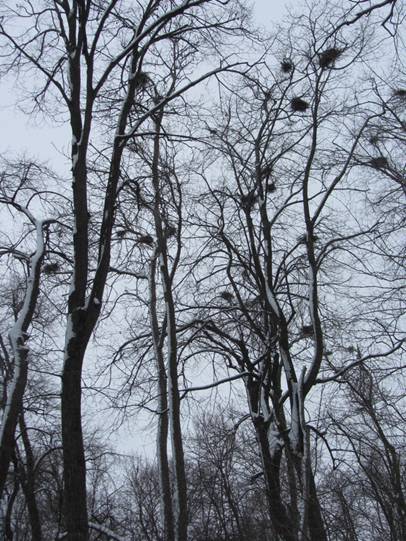
Great Blue Heron Nests, Feb 23, 2013 Anoka Parks, the city of Lino Lakes and Ron Marier furnished vehicles to transport equipment and supplies to the island. There was about 8” of snow but nobody got really stuck. Although far from pre-1998 levels of 1,000+ nests, the nest number now at 253 is FANTASTIC news! Let’s hope the Great Blue Herons and Great Egrets and other birds and wildlife have a happy home on Peltier Island. For more information see: Also see “Rookery Blues”from the Minnesota Conservation Volunteer magazine at www.dnr.state.mn.us/volunteer/marapr04/rookery.html.
Wayne LeBlanc The following is from
March, 2011. Great Blue Heron
Status, Peltier Lake Island, Feb 2012 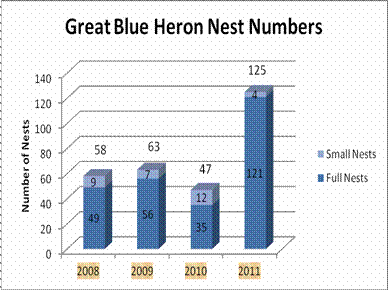 Because of no leaves, exact nest counts can be made in winter. In 2011, the herons made 125 total nests and more than doubled the number of nests from 2010. In 2008, 2009, 2010 there were 58, 63, and 47 nests. On Jan 6, 2012, there were 125 total nests (121 full nests and 4 small nests). That’s an increase of 80 nests or 170%. That’s just terrific! It might be that young herons from 2006 and on are maturing, coming back to the colony and nesting. Herons mature in their third spring. In 1996, the nest count was over 1,000, so there is a long way yet to reach original numbers. The herons moved into 36 new trees not occupied in 2010. The plan is to install new flashing in 15 of those trees with new nests to protect the herons from land predators. The other 20 new nest trees already have flashing. 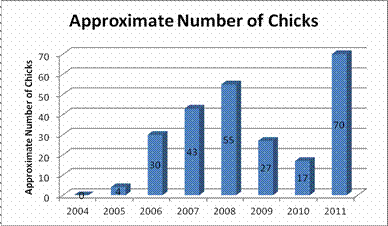 In June 2011, the estimated chick count was 70. But chick counts are difficult because foliage obscures the nests. Some years had storms and again, foliage and timing of the chick count can make for variable numbers. Years 2009 and 2010 may have been reduced due to weather or predators, it is difficult to say. In 2011, evidence shows great egrets returned for the first time in years which is more good news. 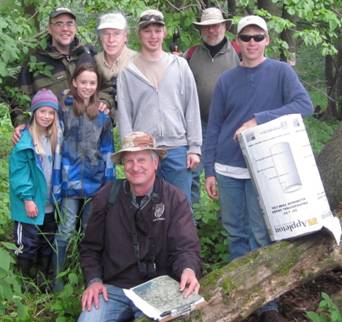 Some people involved in helping the great blue herons are pictured: Marty Asleson (kneeling), Andy Von Duyke and his two daughters Anna and Ellie, Wayne LeBlanc, Joel Kilgore, Gary Averbeck and Dave Kilgore. Others, not pictured, include Barbara Bor, Glen Fuchs, Jeff Perry, Tim Sevcik, Ron Marier and Eaglebrook Church. Support includes flashing trees, installing signs, maintaining no-wake zone buoys and assembling stick piles for use as nesting material. 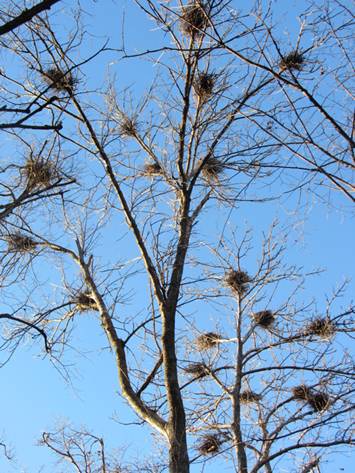
From 2000 to 2010, the most nests seen
in a tree were 5. This last summer, 2011, one tree had 10 nests in it!
Others had 9. This is an interesting development in higher density
nesting. Pictured at left are 2 trees with 9 nests each.
 Let hope the great increasing trend continues!
The following is from
March, 2010.
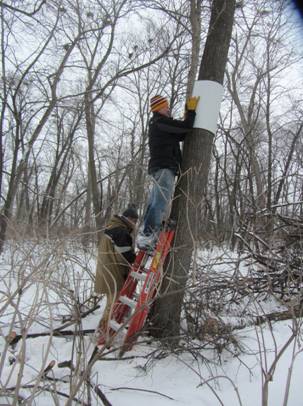
On March 1, 2010, the Lino Lakes Council had a workshop about the herons. Here is input provided. Suggested Heron Actions and Needs on Peltier Lake March 1, 2010, Wayne LeBlanc Summary · Flashing trees with aluminum bands against predators needs to continue. · Proactive action by hunting and/or trapping raccoons and opossum probably helps. I’ve heard hunters with hounds could be very effective against raccoons. · Signage around the island could be more specific about avoiding the wildlife refuge. · Eaglebrook has been helpful providing nesting material with stick piles and they said they would continue to help. · Continued vigilance is needed to prevent any future human disturbance. · What I’d really like to see is a return of the Black-Crowned Night Herons. Further Detail, Flashing Trees and Hunting I believe the problem with the Black-Crowned Night Herons and Great Blue Herons on Peltier Lake involved 2 phases: 1) human disturbance causing greatly reduced numbers and 2) subsequent predation. It seems the best thing we can do for the herons right now is to keep predation to a minimum while heading off any possible future human disturbance. Flashing on the trees seems to be the best defense against the most threatening predators: raccoons (and possibly opossum). Here is a picture taken Mar 1, 2010 of Marty Asleson and Tim Payne from the city of Lino Lakes installing flashing on a tree to thwart predators.
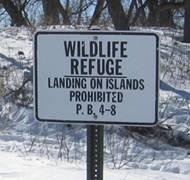
In 2005, trapping occurred on the island and along private property directly to the east of the island. In 2006, trapping was on the island only. Andy Von Duyke said despite the large number of trap nights invested, harvest was relatively small. Trapping and hunting poses problems of exposure to non-targeted species, pets and humans, but if done right, could help the herons. I’ve heard that hunting with hounds can be very effective. This has not yet been tried. The hounds go out and with their sensitive noses find most of the raccoons and tree them. Good hunters don’t have to run all over, they can hear a change in the barking and know a raccoon has been treed. The hunter can then take the raccoon out with a tranquilizer or gun. I suggest that hunting with hounds be tried if it can all be worked out. Further Detail, Signs & Eaglebrook Signs around the island currently say, “DO NOT DISTURB BIRD NESTING AREA, POSTED BY: ANOKA COUNTY PARKS.” “Do not disturb” can mean different things to different people. I think it needs to have stronger language with such words as prohibited or keep out. At Lake of the Isles in Minneapolis (see picture), signs around the islands there say, “WILDLIFE REFUGE, LANDING ON ISLANDS PROHIBITED, P.B. 4-8.”
I suggest the stronger language of “prohibited” or similar words are needed. Also, I prefer “WILDLIFE REFUGE” as there are Piliated Woodpeckers, owls and many treasured species that make their home on the island. The herons are there from about March 17 through the end of September. Eaglebrook has been helpful providing nesting material with stick piles and they said they would continue to help. I have personally seen these stick piles in use by the herons. I believe we have Art Hawkins to thank for identifying this aid to the herons. I thank Eaglebrook for their interest and help in protecting the sensitive environment. Further Detail, Continued Vigilance and Further Data I’d like to illustrate one aspect of the herons that is seldom discussed. In 1998, an entire species was wiped out, my favorite, the Black-Crowned Night Herons. They existed in substantial numbers (the chart meaning 100%) on the island but the first year the ski course was installed, ALL Black-Crowned Night Herons disappeared. Art Hawkins, noted biologist watching the island, also made note of their disappearance.
In addition, the Great Blue Herons were greatly affected the first time the ski course was installed, they seemed to be recovering 1998-2000, but then they really got hammered with it was installed again, against the agreement set by Anoka Parks, the DNR and others. I do not believe these are coincidences but rather, causes. Anoka Parks is doing a terrific job installing the no-wake zone buoys at ice out so there is no delay identifying the no-wake zone for the boating season.
Further Detail, Chicks and Nest Counts Here is a chart on the number of chicks observed in each year shown. The increase in these years is due to work of Andy Von Duyke and others by managing the predators. In 2008, a tornado touched down less than a mile from the colony. I believe the severe weather mostly missed them. The herons were very lucky. In 2009, I suspect a wind storm took out many of the chicks, however, it could have been predation or most likely, part of both. Although there were fewer chicks that year, the population still increased by 27. The nest count continues to rise (see the next chart), so hopefully, the decline in 2009 is not too much of a factor. In addition, realize, these numbers are not perfect as chicks are difficult to see in the foliage.
The number of nests in this chart shows a continued increased over the years. In the winter, the nests can be seen and counted accurately and this should be a primary statistic for the future, provided of course the nests are active. In a given year, the herons move the nests around a bit and steal sticks from one nest making another in a different place. This dynamic is easily observed in the winter by comparing nests and trees of the previous year.
Black-Crowned Night Herons, common on the island before 1998 have not been observed for 11 years. Great Egrets also frequented the island but are now absent. Although far from pre-1998 levels, I am hopeful that the Great Blue Heron colony is slowly increasing in numbers. For more information see: www.PeltierLake.Org/Herons.htm “Rookery Blues”from the Minnesota Conservation Volunteer magazine is still available at www.dnr.state.mn.us/volunteer/marapr04/rookery.html
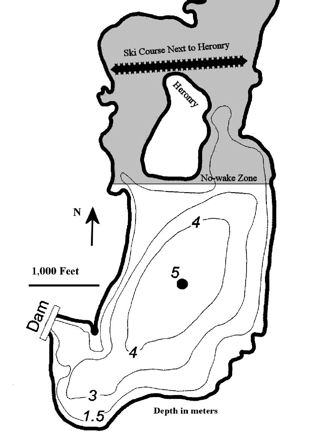
*************************************************************** We have EXCELLENT news for 2008! A total of 55 great blue heron chicks were observed in July. It is amazing that many survived the May 25 storm which had quarter size hail, 80 mph winds or more, and a tornado that touched down just a mile east of the colony. The productivity over the last few years was: THIS IS EXCELLENT! The herons are very sensitive to disturbance. People need to keep their distance. Here is some history on the herons. Before 1998, all was wonderful for the herons of Peltier Lake! Virtually every evening, Black-Crowned Night Herons squawked their “quuarrck” sound and the Great Blue Herons echoed matching ancient calls. Experts estimated there were about 1,100 nests on the large island plopped in the shallows of north Peltier Lake (see diagram). Human activity in the lake was south of the island so the herons preferred the island north end. Thick native aquatic plants and shallow waters discouraged almost everyone from entering the heron haven. (Herons only nest in colonies; they do not make single nests in back yards.) However in 1998, a slalom water-ski course was installed right next to the heron rookery. The herons, who were no longer isolated, now found noisy inboard water-ski boats with high-flying walls of slalom water-ski spray – all in their “living room.”
At the end of the year, there was great concern among area heron watchers; some observers felt that heron numbers were down. (According to DNR data, estimates put numbers down about 50%. In addition, the treasured Black-Crowned Night Herons totally vanished). I called a meeting with state experts from the DNR, county experts from Anoka Parks, city officials, law enforcement and people from the Peltier Lake Association including the slalom skiers. Experts explained the sensitive environment and an agreement was reached so that no more water skiing would be done north of the island. A couple years later, it seemed the herons were abandoning their nests. The herons were in trouble. The next thing we knew, the ski course was once again installed north of the island right next to the heron rookery. Even if the ski course had nothing to do with the problems within the heron rookery, evidence indicated that beneficial aquatic plants were being damaged and lake water quality could be affected. It was clear that enactment of legal protections and ongoing enforcement of those regulations was the only hope for the herons. Other organizations would have to enforce protection of wildlife in the area. Luckily, the DNR Department of Wildlife, Anoka County Parks and the Lino Lakes Environmental Board cared! But what should have been a simple regulatory decision, turned into a political quagmire: it took four gut wrenching years to enact permanent protection for the colony. In any case, the environment is now protected better than before. The herons are slowly rebounding. Perhaps the colony will reach large numbers again. Hopefully, wildlife will recover and flourish for enjoyment by future generations. Maybe someday, we’ll see Black-Crowned Night Herons return. Monitoring of our treasured environments could be key. I am asking interested neighbors to please help me monitor this unique environment. Please send Email to Mail@PeltierLake.Org. Here is more information. Rookery Blues - A Minnesota Conservation Volunteer magazine article about the Herons on Peltier Lake.
|
This site was last updated 03/13/25